
A project offering modern animated video materials and presentations for history lessons in Ukraine has been developed for Ukrainian teachers, students, and parents.
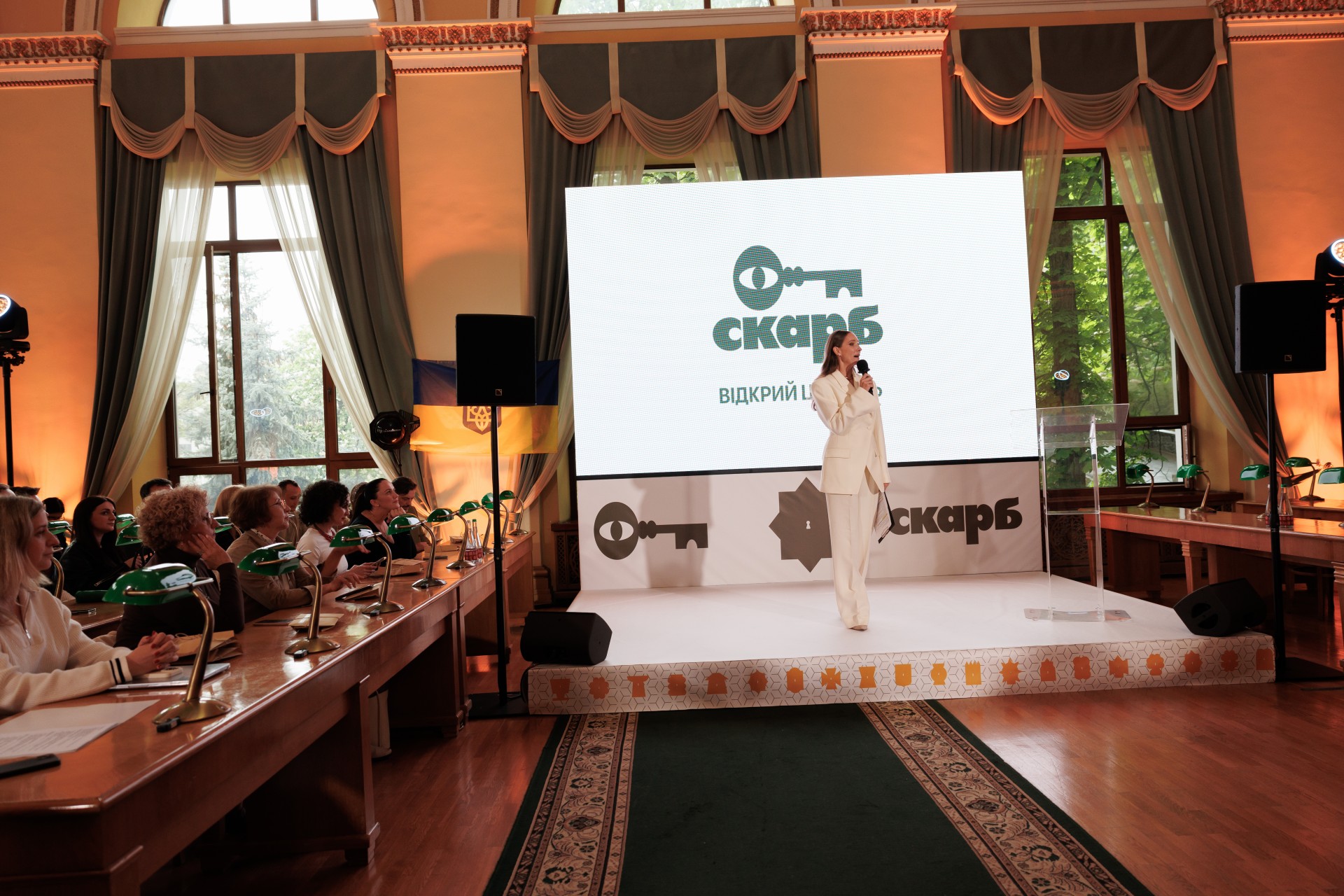
“NUS” media attended the presentation of the “Skarb” (Treasure) project, which was implemented by the Hrystia Hranovska Foundation in collaboration with historians, practicing teachers, methodologists, artists, costume designers, and animators.
The “Skarb” project is an interdisciplinary educational and cultural initiative for Ukrainian schools that combines cultural heritage, modern pedagogical practices, art therapy approaches, and the development of soft skills.
The goal of the project is to create tools that help teachers and students explore Ukrainian identity, history, and values in a sensitive, interactive way, while also bridging the educational gap caused by the war, social changes, and the transformation of the educational environment.
Currently, the team is testing the first pilot lesson, which introduces students to the life and worldview of the early Slavs. This is more than just watching a video; it is a dynamic and vivid journey into the past. The lesson also includes a practical component: an art therapy workshop on spinning.
The lesson is adapted to the requirements of the “New Ukrainian School” (NUS) and is available for free on the project’s website.
The project manager is Halyna Samchuk, and the author of the first lesson is Mariia Vorotylo, a history teacher from Kyiv.
Creative producer Olha Navrotska and director, artist, and illustrator Oleksandr Koreshkov worked on the visual aspect of the lesson.
The team paid special attention to visual authenticity: the characters’ clothing in the videos consists of reconstructions created by renowned costume designer Antonina Belinska, based on archaeological and ethnographic materials. All depicted artifacts and visual materials are scientifically grounded, recreated from museum collections and archaeological sources.
“We created these materials not just as an interesting alternative to a textbook, but as a full-fledged educational tool that meets all the requirements of basic secondary education.
The video is only a part of it. It is accompanied by clear methodological recommendations for teachers: what activities to use and what learning outcomes should be achieved. We aligned every element of the lesson with model curricula to ensure this content is not only emotionally powerful but also pedagogically accurate,” explains Antonina Makarevych, the project’s methodologist, PhD in History, Deputy Head of the NUS Implementation Office, and co-author of the lesson.
As reported by the Foundation, the methodology for conducting interactive lessons was developed in accordance with the “History of Ukraine” course for students in grades 7–9. Plans include creating 10 interactive lessons for each grade. They will be adapted to different teaching formats, including those for bomb shelters, online learning, and independent study.
[READ THE FULL ARTICLE ON NUS]